| “And I will give thee the treasures of darkness, and hidden riches of secret places…” — Isaiah 45:3, KJV
As I have been working on my memoir, I have found myself walking through some sufficating rooms of memory. There are dark places in the past that ask to be remembered, named and brought into the light. But the heart cannot always stay in those hard places without needing a window to be opened, to let in the light and breezes that allow me to take a breathe.
Today, I am taking a small break from the heaviness.
I am stepping away from the shadows for a little while and traveling down the path to view the beauty of life-into the winter light, remembered landscapes, quiet roads, and the hidden slendor that asks us to to notice. For me, beauty is not an escape from the truth, but a breathe that needs to taken in order to keep telling the truth.
Winter has always carried more than the cold for me. It carried memory. It has carried silence. It has varried both hardship and wonder. As I look back across the winters of my life-from the deep snows of Wisconsin, to the wide frozen distances of Alaska, to the softer winter mornings of South Africa-I am reminded that even the bare seasons can hold delight.
Maybe that is the lesson of this season of wintering is holding for me.
Not everything that looks barren is empty.
Not everything cold is cruel.
Not every pause is a loss.
Sometimes winter strips the world down until we can finally see what still shines.
There are some mornings when winter does not arrive with cruelty, but with tenderness.
Here in South Africa, winter often comes softly. It slips into the morning with a cool breath, a pale blue sky, and a hush over the garden. The light feels thinner, more delicate, as though the sun itself has wrapped a shawl around its shoulders. The air carries that clean, quiet sharpness that makes you pull your jacket closer and cradle your coffee cup with both hands.
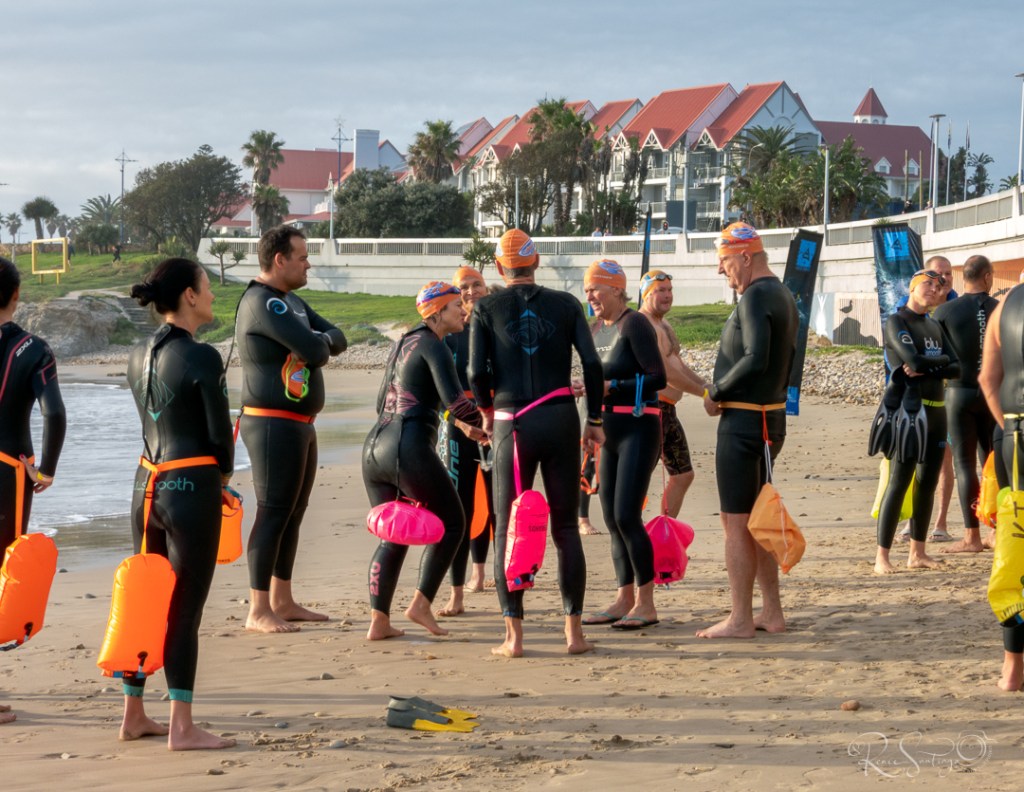
On one of these winter mornings, I took photographs of Mr. P as he went to his first swim meet in the middle of winter. Just the thought of it made me smile. Swimming—in winter. The kind of thing that would have seemed impossible to the little girl I once was in Wisconsin, where winter did not merely visit. It ruled.
But there he was, brave and bright in the cold morning, stepping into his own little moment of courage. There was something beautiful about it: the blue shimmer of water, the nervous energy in the air, the sound of voices rising and falling, the soft slap of wet feet against sand, the almost unbelievable thought of warm breath meeting cold air before a body plunged into water. It was winter, yes, but not the winter of my childhood. This was a winter of motion, of ripples, of encouragement, of bodies expressing the joyful bravery in water.
And as I watched him, camera in hand, I felt the old winters stir inside me.
The winters of Wisconsin were another world entirely.
They were not the gentle blue mornings by the beach. They were white fields and iron skies. They were snowdrifts piled high against barns and fences, the world muffled beneath a thick quilt of white. They were the smell of wool mittens damp from the snow, the sting of frozen air inside your nose, the ache of cold toes inside of boots that never could quite keep the damp wetness out.
Those winters had texture.
The crust of snow at the waters edge that would hold your weight for one glorious second before the tinkle as it broke beneath you. The slick, treacherous shine of black ice on the roads. The rough wool of scarves scratching beneath your chin and the weaving of tendrils of icy cold tendrils as they weaved itself underneath to kiss your neck. The sound of the snow squeaking beneath your boots when the temperature dropped so low that even walking had a voice you remember. The taste of the cold air was almost metallic, sharp and clean, filling the lungs with the pure coldness that you could not keep.
And then there was the sparkle.
Oh, the sparkle.✨
Morning sunlight on fresh snow could turn the whole earth into a field of diamonds. Each frozen crystal caught the light and scattered it upward, as though the ground itself remembered how to shine. Even now, after all these years, I can still see it: the wide white world glittering under the pale winter sun, the trees standing dark and still against all that magical brightness, their bare branches etched like black lace across the sky.
As a child, I did not know how to explain the breathtaking beauty. I only knew how to feel it and hold it deep within my memory.
And I felt it in the winters.
I felt it in the cold that made my cheeks chaff red. I felt it in the silence after a fresh snowfall, when my whole world seems to hold it its breathe. I felt it in the way snow softened the edges of everything-the roofs, the fields, the broken fences, even the hard things. For a little while, winter covered what was ugly and jagged and made it beautiful.
Maybe that is why I remember the school ice rink so much.
It was not a polished, professional rink, shining beneath sparking lights. It was handmade, carved out of the dirt beside the school and flooded until the cold Wisconsin cold did its patient work. Beneath the ice was the earth-rough, uneven, ordinary dirt transformed into something magical. There were bumps and cloudy patches, scratches from our skates, and the places where the ice held the memory of the ground beneath.
But to me, it was freedom.
When I sat to put on my skates, something inside lifted. I could push away from the solid world and glide. My blades scraped, whispered, sang. My breathe would bloom white in front of me. My arms would open. My body leaning into the curve, and for those few precious minutes, I was no longer held by the heavy things I could not name.
I was movement.
I was cold air and silver sound.
I was a child disappearing into the rhythm of push, glide, turn.

Before I had words for what my heart carried, winter gave me ice, movement, and the freedom of gliding.
Perhaps that was where my love of dancing began-not in the sudio, not from music playing from a speaker, but on that rough little school rink carved out from the frozen dirt. Skating taught me that the body could speak when words were not there. It taught me the joy of getting lost in movement, of letting rhythm carry me away from the hurt and the pain of living.
Later, when I danced, I would feel that same release. Music entered the body and became something visible-the sweep of the arm, the turn of the shoulder, the rise and fall of the foot. It was never a performance for me. It was a translation. The music would move through me, and my body heard and responded with joyful movement.
Maybe that was one of the gifts of childhood, even a childhood encased in shadows. Beauty still found its way in.
A frozen rink beside a small rural school.
A field sparkling with diamonds.
The scent of cold wood and the heat of wood smoke.
The ache of wet socks inside winter boots.
The wild abandonment and breathless joy of gliding across handmade ice.
And now, many years later, winter still comes. The language has changed.
Here in South Africa, winter comes in a different guise. It does not bury the world beneath deep snow or freeze lakes hard enough for ice fishing. It comes with cool mornings, softer light, and the strange beauty of a child building castles in the sand, instead of snowmen. It comes with Mr. P stepping into the cold with courage, and me standing nearby, remembering.
Perhaps this is one of the miracles of growing older: we carry all the winters with us.
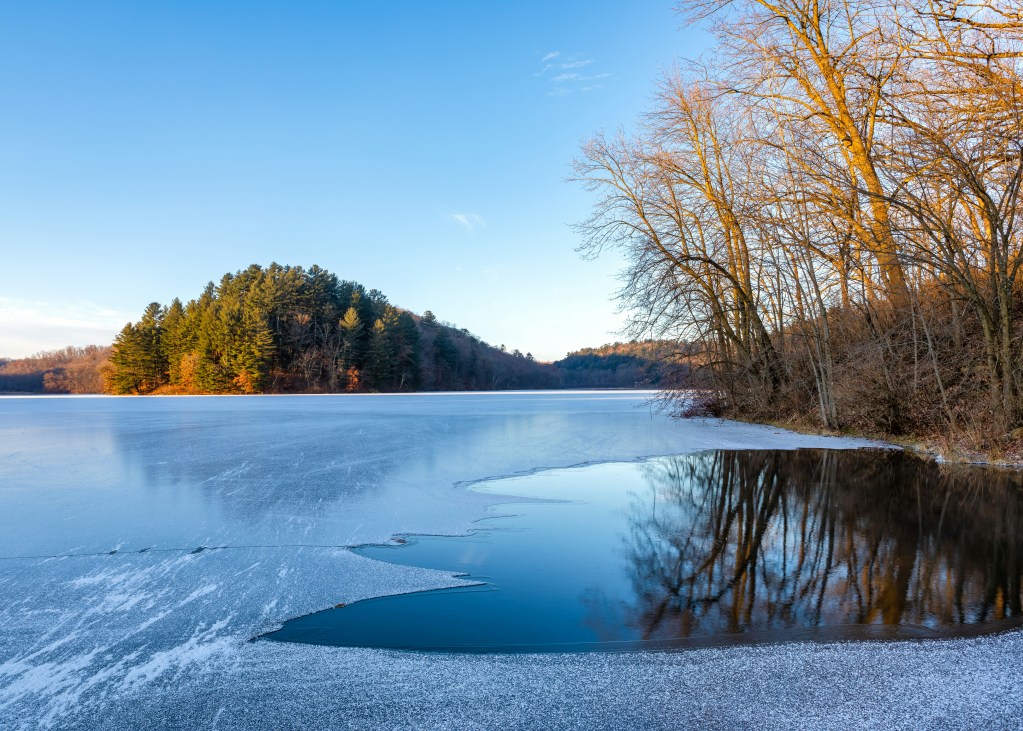
The Wisconsin winters of my childhood are still alive within my memories. They rise when the air turns sharp, when the light glitters on the water, when I see a child brave the cold and move forward anyway. They live in my senses-in the smell of damp mittens, the sounds of blades on ice, the sight of snow shining beneath the sky.
And now, new winters are being added.
Winter mornings in South Africa.
A camera in hand.
The blue of the swimming pool or the ocean.
The love I feel watching my Mr. P.
There is a quiet gratitude of being here, in this season, witnessing the blessing of another winter.
Winter has taught me that it does always mean emptiness. Sometimes it sharpens the beauty. Sometimes it awakens memories. Sometimes it invites movement. And sometimes it reminds me that even the frozen places can hold joy.
That a handmade rink carved out of dirt can become a place of freedom.
A cold morning can become a photograph.
A winter swim meet can become a memory.
And a heart, even one that has lived through many seasons, can be made to smile with beauty in the most surprising places.
Maybe that is what I love most about winter. It strips the world down to its essentials-breath, light, movement, warmth, courage. It asks us to notice what still shines when everything else is bare.
And I in the cold, I remember.
I remember the child I was.
I remember the freedom of skating and sledding on frozen hills.
I remember the music of movement.
I remember that beauty can live within and beside hardship, joy can rise from frozen ground, and that enjoyment of life often arrives quietly-wrapped in a scarf and holding a camera.
With love, peace and the grace of winters light.
Renée💖